
Make AI useful in your everyday work.
Start with something on your plate. Practice with live guidance and build confidence one task at a time.
Build a way of working you can use again.
Explore individual training
We coach individuals, teams, and organizations to apply AI in their actual work.
Live guidance. Your real work. A clear next step.
You've used a chatbot. Now what? We start with how AI actually thinks, so prompting stops feeling like guessing.
AI in your everyday work: writing, research, analysis. The fundamentals that pay off the first week.
Workflows, automation, your own data. AI stops being a tool you visit and becomes how your work runs.
Agents, orchestration, leading adoption. You're not following the trail anymore, you're cutting it.
Reach your next peak.
We coach individuals, teams, and organizations to apply AI in their actual work.
You've used a chatbot. Now what? We start with how AI actually thinks, so prompting stops feeling like guessing.
AI in your everyday work: writing, research, analysis. The fundamentals that pay off the first week.
Workflows, automation, your own data. AI stops being a tool you visit and becomes how your work runs.
Agents, orchestration, leading adoption. You're not following the trail anymore, you're cutting it.
One trusted guide for every altitude. Pick where you're starting.
Start with something on your plate. Practice with live guidance and build confidence one task at a time.
Build a way of working you can use again.
Explore individual trainingPractice together on the work your team actually does. Agree what good output looks like and how to check it.
Your team leaves with shared, repeatable AI habits.
Plan a team cohortConnect hands-on learning with clear ownership, sensible guardrails and a pilot you can evaluate.
Give adoption a practical starting point.
Talk about an org rolloutThis is the kind of thinking we practice together: give useful context, shape the output, and check what matters.
Launch meeting / Tuesday
Sam: draft ready Friday
Need accessibility review — owner?
Maya to check the signup form
Budget still open. Next check-in Monday.
The AI organized the notes. A person still needs to assign the accessibility review and confirm the budget.
Turn these notes into a brief. Separate decisions, actions and open questions. Keep named owners exactly as written. Mark missing dates or owners as “not assigned.” Do not fill in gaps.
Make it a habit. Save this structure as your meeting-brief template. Reuse it, then check every owner and commitment.
Weekly handoff
Order A17 waiting on supplier confirmation
Jo following up Thursday
A18 ready to pack
A19 address needs checking
No one assigned to A19 yet.
“Ready to pack” does not mean shipped. Check that the draft preserves the original status.
Create a handoff list from these fictional notes: item, current status, next action and owner. Flag missing information. Do not invent delivery dates or mark anything complete without evidence.
Make it a habit. Use one handoff format each week. Track unresolved items until a person confirms they are complete.
Team wants to try AI
Start with internal project updates
Four volunteers
Concern: invented status / private client info
Need to see whether it helps
No pilot owner yet.
These are proposals, not agreed policy. Have the team approve the owner, boundaries and success criteria.
Draft a small AI pilot brief from these notes. Include scope, human review, information boundaries and a way to compare results. Separate proposed steps from decisions already made.
Make it a habit. Keep what improves the work. Adjust what does not. Expand only after the team has reviewed the results.
Illustrative examples with fictional inputs and prepared outputs. No live AI requests.
Find your starting point →Live guidance, practice on your work, and feedback as you go. Choose your starting point; we'll discuss timing and format together.
Start here if AI still feels like magic, or hype.
How modern AI works, what it can and cannot do, and prompting that gets reliable results.
You leave using AI with confidence, not guesswork.
Example take-awayA reusable prompt and a simple checklist for reviewing its output.
Ask about FoundationsStart here if you use AI sometimes but not systematically.
Daily workflows for writing, research, and analysis. Build the habits that compound.
You leave running AI in your daily work, not just reading about it.
Example take-awayA repeatable workflow for a task you handle every week.
Ask about PractitionerStart here if you want AI working while you sleep.
Automation, custom assistants, and connecting AI to your own data and tools.
You leave with automations and assistants actually running.
Example take-awayA small assistant or automation, with a human approval step.
Ask about BuilderStart here if your team is looking to you for the map.
Agents, orchestration, governance, and leading AI adoption across an organization.
You leave with a team trained and adoption in motion.
Example take-awayAn adoption pilot plan with owners and a way to measure progress.
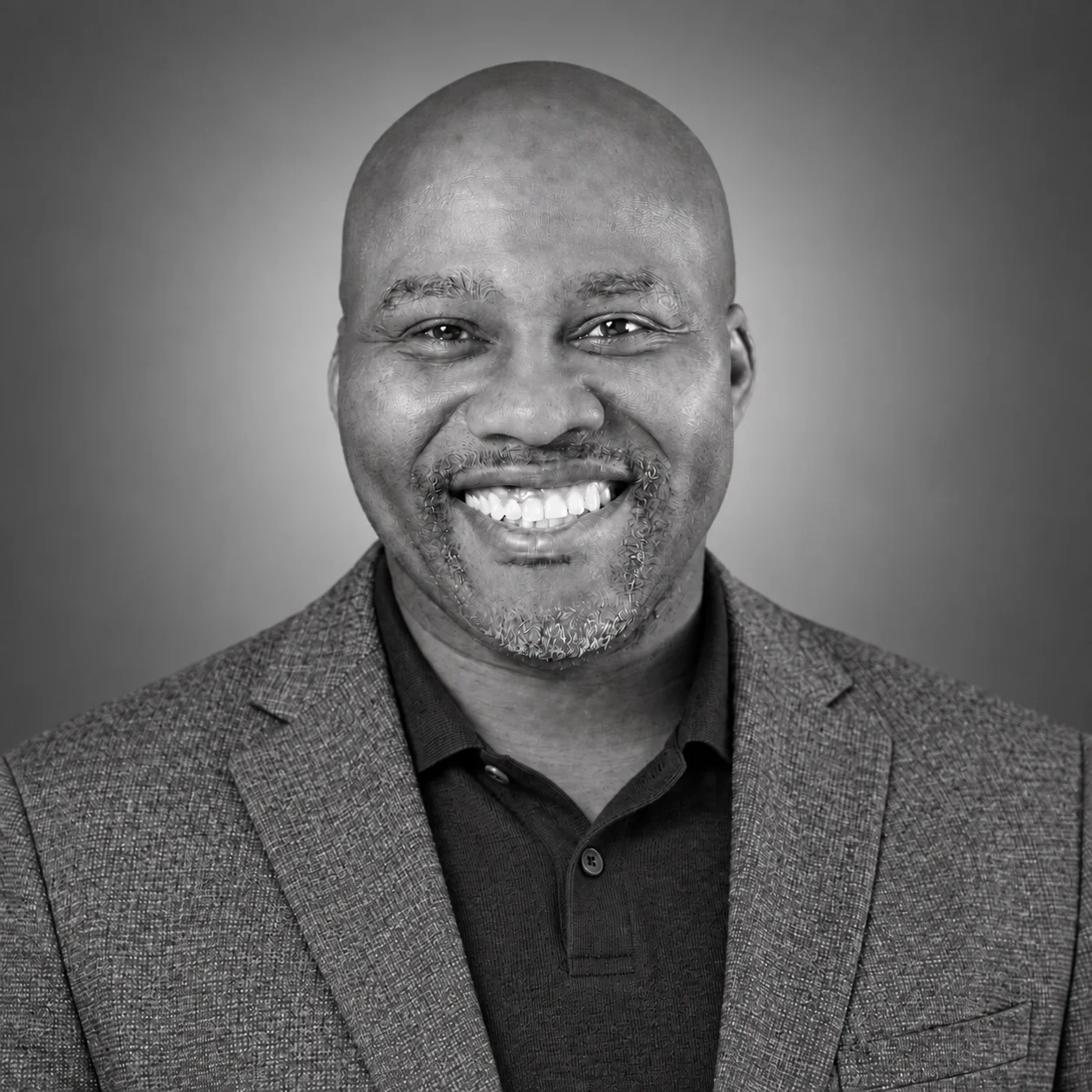
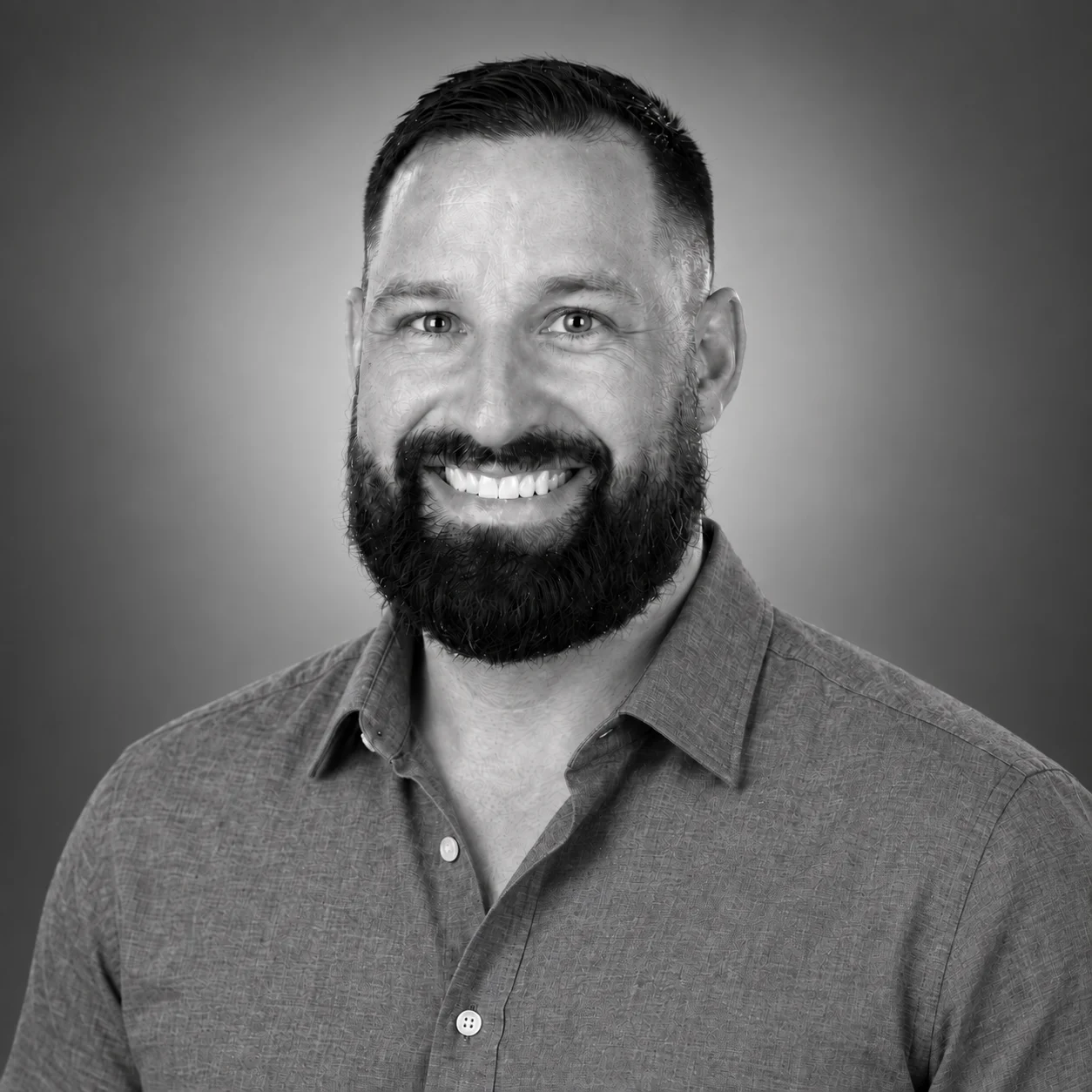
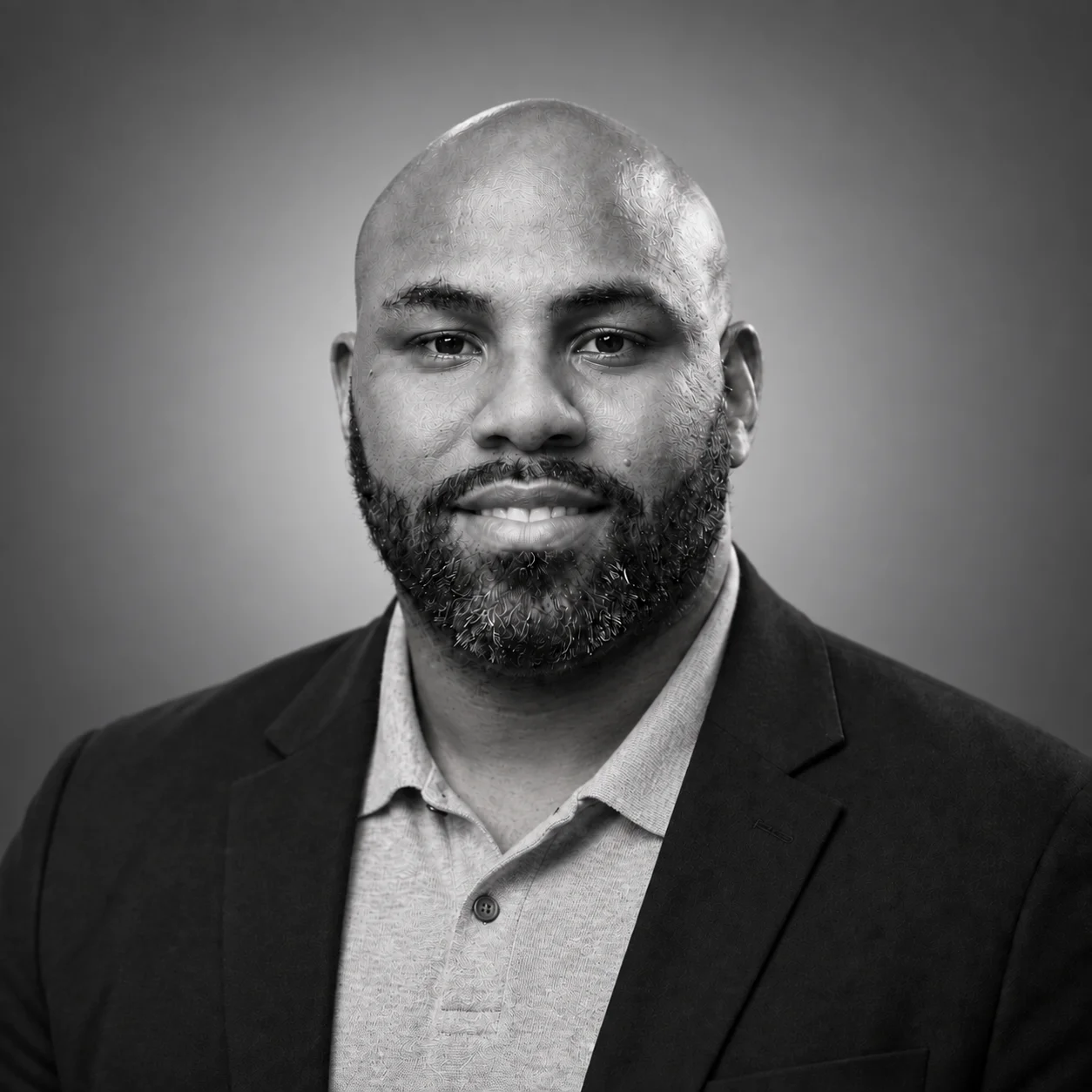
Ask about LeaderFour owners. Experience across education, technology, operations, and workforce development. One shared focus: helping you put AI to work.

Chief Executive Officer
Chief Operating Officer
Chief Technology Officer
Chief Marketing Officer

For more than two years, Robbe Addis and Jarrod Farmer have taught AI to thousands of veterans and military family members across the country. Meet the people behind the teaching →
A recurring report, a difficult handoff, or an idea you want to explore. We start with a purpose you recognize.
Ask, compare, check and refine. Learn how to judge the output and decide what needs a person.
Carry the prompt, checklist or workflow into your next attempt. Build a habit through practice.
One task you would like to improve and a non-sensitive example of the work. A draft, a recurring report or a handoff is enough to start a useful conversation.
Timing, format and pricing are discussed before you book. Tell us your starting point and who the training is for so we can recommend a suitable plan.
Yes. The journey starts at First Contact for a reason. Most of our learners write zero code. We teach thinking patterns and workflows, not programming.
Fair question, and we are upfront about it. What is not new is the method: skill sticks through doing, your real work with live guidance until it is habit, not videos you watch alone. Early cohorts get direct access to the people who built the program. Judge us on the first session, not a logo wall.
Tutorials show features. We train capability: live cohorts, your real work, feedback, and a path that builds stage on stage. The difference is whether anything changes on Monday.
Capability you can use the next day. Depending on your waypoint: confident everyday use, faster daily workflows, automations and assistants you built, or a team trained with an adoption plan in motion. Every session works on your real tasks, so you leave with real output, not notes.
Team cohorts are our core offering. We map each member to their waypoint, train in role-specific groups, and give leads the playbook for what comes after.
Core foundation models, AI agents, and agentic automations, plus the major assistants and the tooling that connects them. More importantly, we train the transferable skills underneath, so when the tools change, your capability does not reset.
We review the tools and examples we teach, while focusing on skills that travel: giving context, checking sources, improving drafts and deciding when human judgment is needed.